Mendel Research Collaboratory
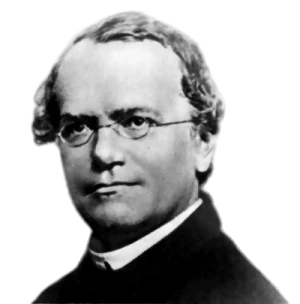
The Mendel Research Collaboratory is a multidisciplinary hub dedicated to hosting independent researchers from all scientific fields who lack formal institutional affiliations. Named after Gregor Johann Mendel, the founder of modern genetics, the organization fosters a community for voluntary scholars to share knowledge and develop their skills.
Our Scientific Ecosystem
The Mendel Research Collaboratory bridges the gap between independent research and formal recognition. Below are the core features designed to help non-affiliated researchers thrive, collaborate, and share their work with the world.
Unlike traditional institutions, the Collaboratory is specifically built for those without formal university affiliations.
Institutional Identity: Researchers gain an official "academic home," allowing them to list a professional affiliation on papers and projects.
Official Recommendations: The hub provides formal letters of recommendation and credentials to help fellows advance their careers or apply for external roles.
While the roles are voluntary, the Collaboratory acts as a strategic resource center:
Funding Intelligence: Fellows receive curated, up-to-date information on global research grants and funding opportunities relevant to their specific fields.
Academic Resources: The Collaboratory actively works to bridge the "paywall gap" by helping researchers secure access to scientific journals and digital libraries.
The hub functions as a platform to amplify the voice and expertise of independent researchers:
Public Seminars: Regular seminars give researchers a stage to present their findings to both peers and the general public, building their professional profile.
Technical Workshops: Hands-on training sessions are designed to "skill up" researchers in modern methodologies, data analysis, and scientific communication.
True to its name as a "Collaboratory," the center breaks down silos:
Cross-Pollination of Ideas: By bringing together researchers from all scientific disciplines, the hub fosters unique collaborations that wouldn't happen in specialized university departments.
Open Dialogue: It serves as a permanent "discussion hub" where theories can be debated and refined in a low-pressure, collaborative environment.
The organization has a strong public-facing mission to improve society:
Knowledge Spreading: Through the publication of its own books and magazines, the Collaboratory translates complex research into accessible knowledge for the public.
Civic Impact: By promoting a "scientific temperament," the hub encourages citizens to think critically and base their understanding of the world on evidence and inquiry.